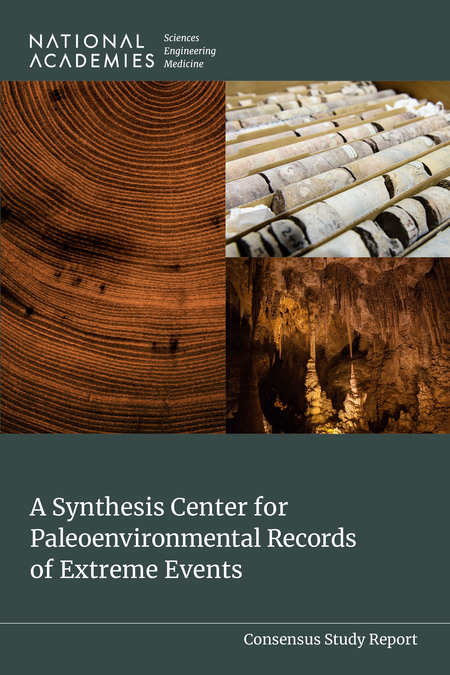
In April 2026, Professor Jack Williams joined forces with scientists and academics from across the country to present an important new report from the National Academies of Science, Engineering, and Medicine (NASEM), titled “A Synthesis Center for Paleoenvironmental Records of Extreme Events.”
Extreme events—hurricanes, droughts, fires, floods, earthquakes, and more—can have devastating effects on our lives, not to mention the infrastructure we build and the properties we own and use.
In the modern age, we’ve been able to record and quantify these big events using a variety of cutting-edge equipment and data collection methods. But the data we’ve gathered using tools such as satellites, weather stations, flood gauges, and more only goes back a few decades to a century at most. That doesn’t always give us enough data to adequately assess or predict the risks these big events can create.
Scientists like Williams can—and do!—look back further. Natural geological archives such as tree rings, lake sediment cores, ice cores, and corals can capture evidence of long, long ago extreme events and their impacts. Many such records exist and have been used by paleoscientists to discover previously unreported extreme events and their causes.
But the insights gleaned don’t always get turned into useable information for people and policymakers. That’s a significant gap in our scientific infrastructure, and it’s a gap that Williams and his colleagues hope to address.
From Scientific Workflows to Actionable Science
NASEM, which was chartered by Congress during the Civil War, helps advise the nation by producing authoritative reports on issues related to science and technology. This report, produced at the request of the Department of Interior’s Bureau of Ocean Energy Management, explains in detail the need for a new Center for Paleoenvironmental Records of Extreme Events and envisions what that new center would do.
The suggested Center for Paleoenvironmental Records of Extreme Events would focus on the synthesis and translation of scientific knowledge about past extreme events, thereby creating a crucial link between scientists and policymakers. Part of this work would be to better integrate data linkages among existing repositories and data systems, with staff that support collaborative analysis and promote community engagement. With a stated mission of helping improve societal resilience to future extreme events, the Center would serve as a dedicated resource for translating dense research texts and paleoenvironmental data into information that people and policymakers can use to improve communities’ preparedness for extreme events.
You can read the full report here or explore the National Academies’ interactive resource on this topic.
About Professor Jack Williams
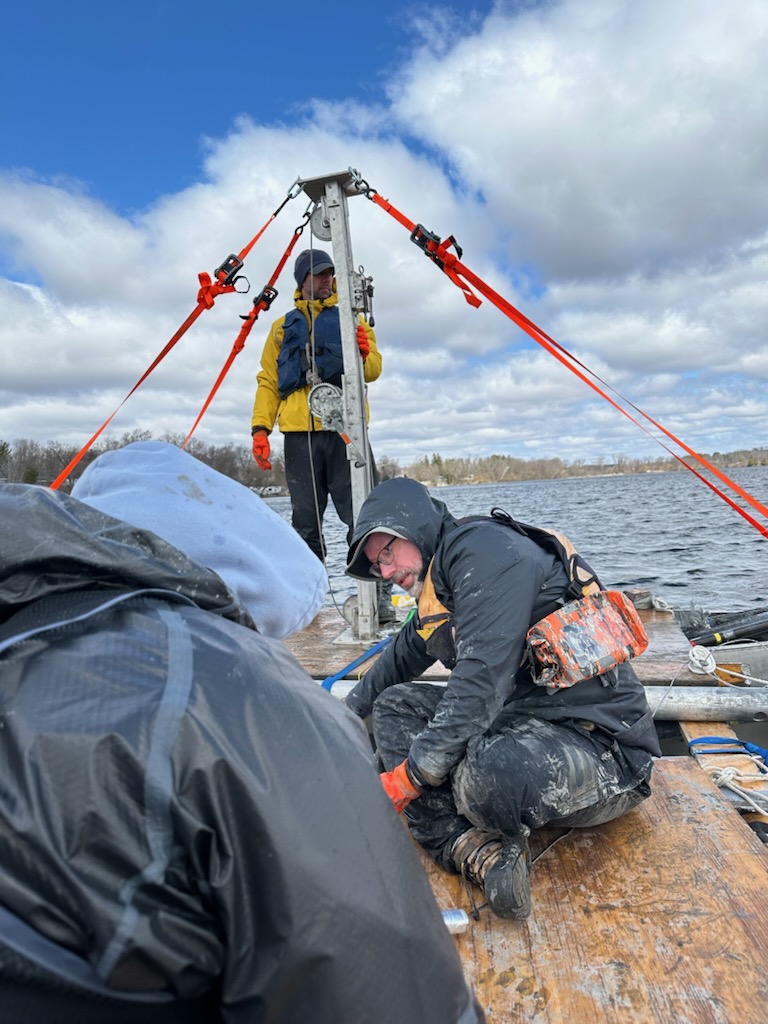
Jack Williams, professor in the Geography department and core faculty member in the Nelson Institute’s Center for Climactic Research, is a leading expert in geoinformatics and community data systems, as well as the ecological impacts of past and present climate change.